
Do I Need an MRI for My Pain?
When you’re dealing with back pain, knee pain, shoulder pain, or a sports injury, one of the first questions that often comes to mind is:
“Do I need an MRI to find out what’s wrong?”
It’s understandable to want answers. An MRI can provide detailed images of the body, but it is not always the first or best step toward recovery.
In many cases, a thorough physical therapy evaluation can provide the information needed to understand your pain and create an effective treatment plan.
What Does an MRI Actually Show?
An MRI (magnetic resonance imaging) provides detailed images of structures such as:
- Muscles
- Tendons
- Ligaments
- Discs
- Cartilage
- Other soft tissues
While MRIs can be extremely helpful in certain situations, the findings do not always explain why someone is experiencing pain.
Research has shown that many people without pain have MRI findings such as disc bulges, arthritis changes, and other age-related changes. These findings may be normal parts of the aging process or activity level and are not always the cause of symptoms.
A scan shows what is present. It does not always show what is causing your pain.
When Is an MRI Helpful?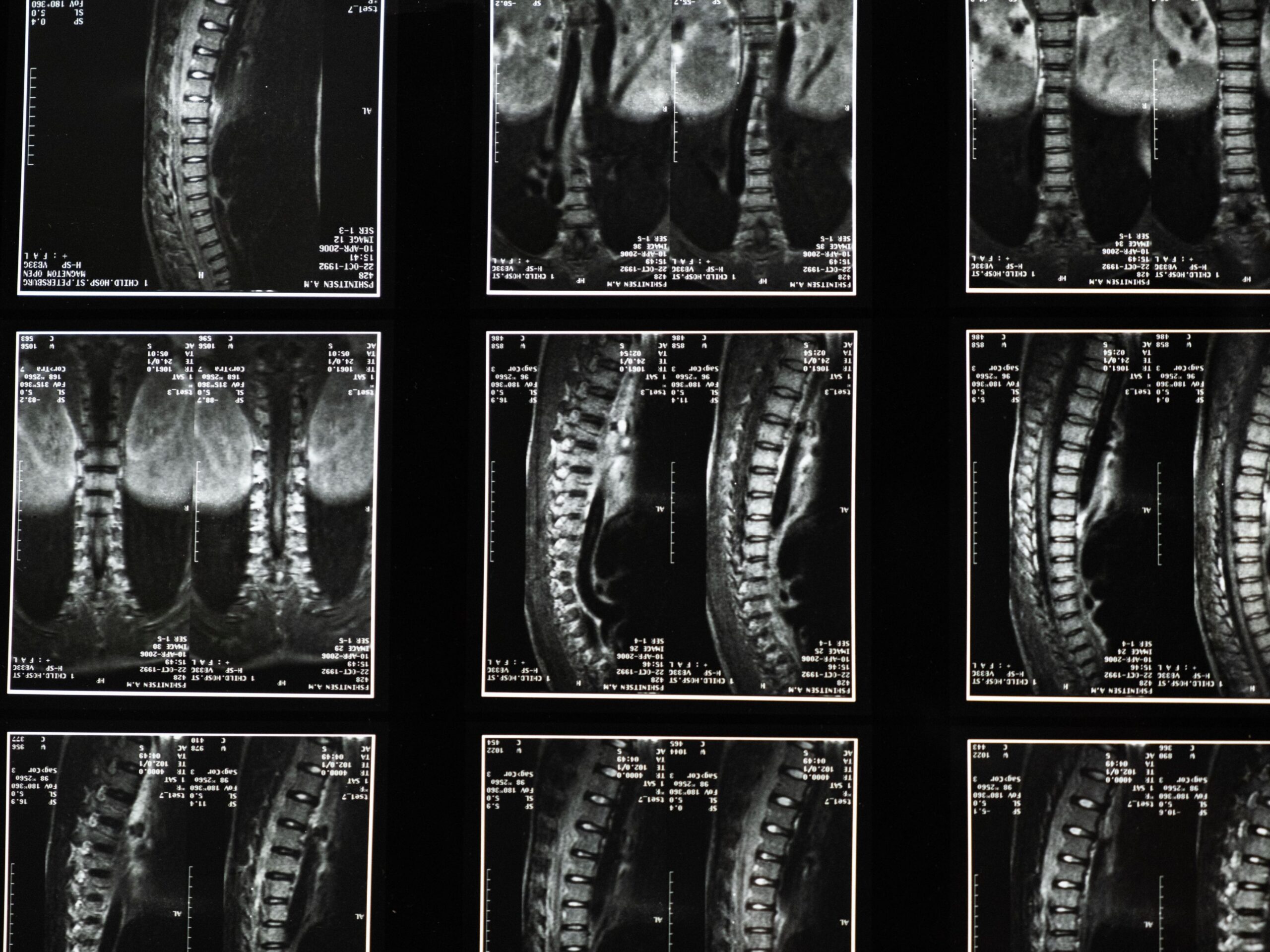
Imaging can be an important tool when:
- There was a significant injury or trauma
- A serious condition is suspected
- There are concerning symptoms such as progressive weakness, numbness, or loss of function
- Symptoms are not improving with appropriate treatment
- The results may change the treatment plan
For many common orthopedic conditions, clinical guidelines recommend starting with a thorough history and physical examination rather than routine imaging.
Why Physical Therapy May Be the Right First Step
Pain is influenced by more than just what appears on a scan. A physical therapist evaluates:
✅ Strength
✅ Mobility/Movement patterns
✅ How your body responds to activity
✅ Training demands
✅ Injury history
✅ Health factors: Sleep, nutrition, hydration, stress, routine, etc.
For example, knee pain may be influenced by strength, flexibility, running mechanics, or training volume. Shoulder pain may involve strength deficits, mobility limitations, or postural habits. Back pain may be affected by how your body responds to daily activities, exercise, and workload.
The same approach applies to many sports and orthopedic injuries. Conditions such as muscle strains, tendon pain, ligament injuries, and joint pain often require an understanding of how your body moves and functions, not just a picture of the injured area.
Physical therapy focuses on identifying the factors contributing to your symptoms and creating a plan to improve strength, mobility, and function.
What If My MRI Shows Something “Wrong”?
This is one of the most common concerns patients have.
An MRI may show changes that sound concerning but are not necessarily the reason you are experiencing pain. The goal is not simply to find an abnormality on a scan. The goal is to understand your symptoms, improve your function, and help you return to the activities you enjoy.
The Bottom Line
An MRI can be a valuable tool when it is needed, but it is not always the answer to pain.
A physical therapy evaluation can help determine what is contributing to your symptoms and identify the best path toward recovery—whether that includes imaging or not.
If pain is limiting your workouts, sports participation, work, or daily activities, our physical therapy team can help you understand what is happening and create a personalized plan to get you moving confidently again.
Schedule an evaluation today at Omaha Physical Therapy Institute and take the first step toward understanding your pain and returning to the activities you love.
Research Supporting This Article
Brinjikji W, et al. Systematic Literature Review of Imaging Features of Spinal Degeneration in Asymptomatic Populations. American Journal of Neuroradiology. 2015.
- Demonstrated that many MRI findings commonly associated with spine degeneration are also present in people without pain.
Qaseem A, et al. Noninvasive Treatments for Acute, Subacute, and Chronic Low Back Pain: A Clinical Practice Guideline from the American College of Physicians. Annals of Internal Medicine. 2017.
- Recommends avoiding routine imaging for uncomplicated low back pain and emphasizes appropriate evaluation and active treatment approaches.
Blankenbaker DG, et al. Correlation of MRI Findings with Symptoms in Musculoskeletal Conditions. Radiology and musculoskeletal imaging literature.
- Supports the importance of correlating imaging findings with clinical examination and patient symptoms rather than relying on imaging alone.
Lin CW, et al. Comparative Effectiveness of Management Strategies for Low Back Pain: A Systematic Review. Annals of Internal Medicine. 2011.
- Supports exercise-based and conservative management approaches for many common musculoskeletal pain conditions.
Make an Appointment Today! »
Your Comeback Story Starts Here!